Crossroads & Connections
Crossroads & Connections
Crossroads & Connections
Year
Ongoing
Year
Ongoing
Year
Ongoing
Type
Drop-in / Online and In-Person
Type
Drop-in / Online and In-Person
Type
Drop-in / Online and In-Person
Timeframe
2 Hours
Timeframe
2 Hours
Timeframe
2 Hours
What is it?
What is it?
What is it?
We pair complementary domains to spark shared flow, fresh insight, and unforgettable “aha!” moments. You leave with lived skills, not just notes.
Dialogue gets you out of solo spin: small-group formats expose blind spots and sharpen “shared reality,” so your next move matches this person and this moment.
Imaginal practice is guided “as if” rehearsal you look through, not at: walking the beats before the scene means your body recognizes turns when stakes rise.
Mindfulness steadies the camera: attention stops jerking around, drama gets de-amplified, and you can catch the instant you’re narrating motives and swap in one honest question.
Embodiment makes it actionable through direct, non-verbal experience and how your inner experience matches your outer expression.
We pair complementary domains to spark shared flow, fresh insight, and unforgettable “aha!” moments. You leave with lived skills, not just notes.
Dialogue gets you out of solo spin: small-group formats expose blind spots and sharpen “shared reality,” so your next move matches this person and this moment.
Imaginal practice is guided “as if” rehearsal you look through, not at: walking the beats before the scene means your body recognizes turns when stakes rise.
Mindfulness steadies the camera: attention stops jerking around, drama gets de-amplified, and you can catch the instant you’re narrating motives and swap in one honest question.
Embodiment makes it actionable through direct, non-verbal experience and how your inner experience matches your outer expression.
We pair complementary domains to spark shared flow, fresh insight, and unforgettable “aha!” moments. You leave with lived skills, not just notes.
Dialogue gets you out of solo spin: small-group formats expose blind spots and sharpen “shared reality,” so your next move matches this person and this moment.
Imaginal practice is guided “as if” rehearsal you look through, not at: walking the beats before the scene means your body recognizes turns when stakes rise.
Mindfulness steadies the camera: attention stops jerking around, drama gets de-amplified, and you can catch the instant you’re narrating motives and swap in one honest question.
Embodiment makes it actionable through direct, non-verbal experience and how your inner experience matches your outer expression.
What it addresses
What it addresses
What it addresses
the very things that make you so intelligently adaptive…
Your cognition which:
• zeroes in on relevant information
• is so complex and capable of complexifying itself and organizing itself
• is trying to fit you to the environment and process information in a way that's doable within the real world
…simultaneously makes you vulnerable to self-deceptive, self-destructive behavior.
Which implies that every time you're exercising your intelligent agency, you're making yourself vulnerable to self-deceptive, self-destructive processing.
This is called Parasitic Processing.
(Read more at John Vervaeke's blog on The Lectern)
the very things that make you so intelligently adaptive…
Your cognition which:
• zeroes in on relevant information
• is so complex and capable of complexifying itself and organizing itself
• is trying to fit you to the environment and process information in a way that's doable within the real world
…simultaneously makes you vulnerable to self-deceptive, self-destructive behavior.
Which implies that every time you're exercising your intelligent agency, you're making yourself vulnerable to self-deceptive, self-destructive processing.
This is called Parasitic Processing.
(Read more at John Vervaeke's blog on The Lectern)
the very things that make you so intelligently adaptive…
Your cognition which:
• zeroes in on relevant information
• is so complex and capable of complexifying itself and organizing itself
• is trying to fit you to the environment and process information in a way that's doable within the real world
…simultaneously makes you vulnerable to self-deceptive, self-destructive behavior.
Which implies that every time you're exercising your intelligent agency, you're making yourself vulnerable to self-deceptive, self-destructive processing.
This is called Parasitic Processing.
(Read more at John Vervaeke's blog on The Lectern)
Orientation
Orientation
Orientation
Each Crossroads & Connections workshop is a fast, friendly mash-up: short demos, paired practices and intentional reflection. We keep it light, embodied, and social—so wisdom lands in your muscles and your circle, not only your mind. There isn’t one technique that fixes everything, for everyone, in every situation.
Every practice has trade-offs. Mindfulness can calm you, but it can also make you a bit too passive in a fast negotiation. Breathwork can energize you, but it can also rev you past good judgment. Dialogue opens perspective, but without boundaries it can drift into talking in circles. Imaginal work can prime courage, but it can also slide into fantasy if it’s not grounded. No single move wins on all fields.
Context matters. The “right” practice depends on what’s actually happening now: Are you under-aroused (stuck, flat) or over-aroused (amped, scattered)? Is this a moment for stance and boundary, or for curiosity and listening? A panacea ignores context; an ecology reads it.
Distributed cognition beats lone heroics. Because we each have blind spots, practicing with others (small, structured groups) gives you error-feedback you can’t generate alone. One practice + one person easily drifts; multiple practices + many minds self-correct.
Each Crossroads & Connections workshop is a fast, friendly mash-up: short demos, paired practices and intentional reflection. We keep it light, embodied, and social—so wisdom lands in your muscles and your circle, not only your mind. There isn’t one technique that fixes everything, for everyone, in every situation.
Every practice has trade-offs. Mindfulness can calm you, but it can also make you a bit too passive in a fast negotiation. Breathwork can energize you, but it can also rev you past good judgment. Dialogue opens perspective, but without boundaries it can drift into talking in circles. Imaginal work can prime courage, but it can also slide into fantasy if it’s not grounded. No single move wins on all fields.
Context matters. The “right” practice depends on what’s actually happening now: Are you under-aroused (stuck, flat) or over-aroused (amped, scattered)? Is this a moment for stance and boundary, or for curiosity and listening? A panacea ignores context; an ecology reads it.
Distributed cognition beats lone heroics. Because we each have blind spots, practicing with others (small, structured groups) gives you error-feedback you can’t generate alone. One practice + one person easily drifts; multiple practices + many minds self-correct.
Each Crossroads & Connections workshop is a fast, friendly mash-up: short demos, paired practices and intentional reflection. We keep it light, embodied, and social—so wisdom lands in your muscles and your circle, not only your mind. There isn’t one technique that fixes everything, for everyone, in every situation.
Every practice has trade-offs. Mindfulness can calm you, but it can also make you a bit too passive in a fast negotiation. Breathwork can energize you, but it can also rev you past good judgment. Dialogue opens perspective, but without boundaries it can drift into talking in circles. Imaginal work can prime courage, but it can also slide into fantasy if it’s not grounded. No single move wins on all fields.
Context matters. The “right” practice depends on what’s actually happening now: Are you under-aroused (stuck, flat) or over-aroused (amped, scattered)? Is this a moment for stance and boundary, or for curiosity and listening? A panacea ignores context; an ecology reads it.
Distributed cognition beats lone heroics. Because we each have blind spots, practicing with others (small, structured groups) gives you error-feedback you can’t generate alone. One practice + one person easily drifts; multiple practices + many minds self-correct.
We offer six permutations so that each domain has a "partner". Some things might feel familiar, others offer the right amount of different.
Mindful Dialogue: Speak while tracking breath, body, and story: zoom in/out like a camera, let mirroring reveal mismatches, and adjust in real time so the talk fits this moment.
Embodied Mindfulness: Use breath, posture, and pacing as your anchor and truth-check so attention stays with the world (like walking meditation), not lost in rumination.
Dialogical Embodiment: Let the conversation and your physiology co-tune: distance, tempo, tone, and stance align so what you say and what you show land as one coherent signal.
Embodied Imaginal: Don’t just make pictures in your head; stand, breathe, and move it. Enact the “as if” so the posture trains the mind and the room responds to the (slightly) new you.
Imaginal Mindfulness: Run the scene in slow focus, watching sensations and stories arise and pass; so imagined futures sharpen attention instead of hijacking it.
Dialogical Imaginal: In live dialogue, spot the images and metaphors you’re already (unconsciously) using to steer attention, then make them explicit and train them on purpose so focus and meaning cohere.
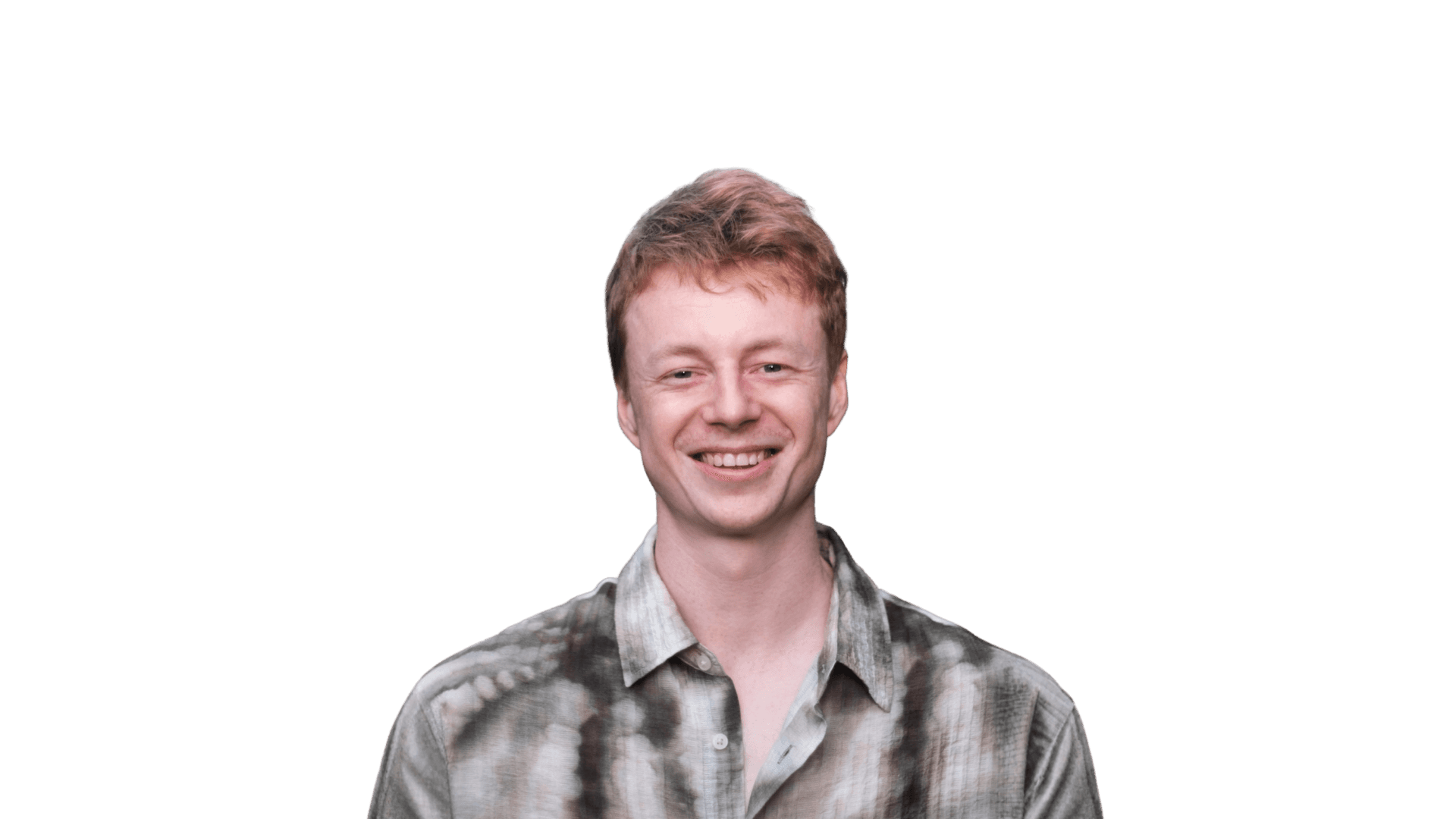
Rens
Lead Facilitator
As a facilitator, Rens brings with him a deep care for psychological safety, a fierce sense of fairness, and an orientation towards alleviating unnecessary suffering. With a background in both astronomy and contemporary theatre, Rens brings a rare blend of clear-sky thinking and embodied mischief to everything he does. He creates spaces where people feel gently invited into transformation.
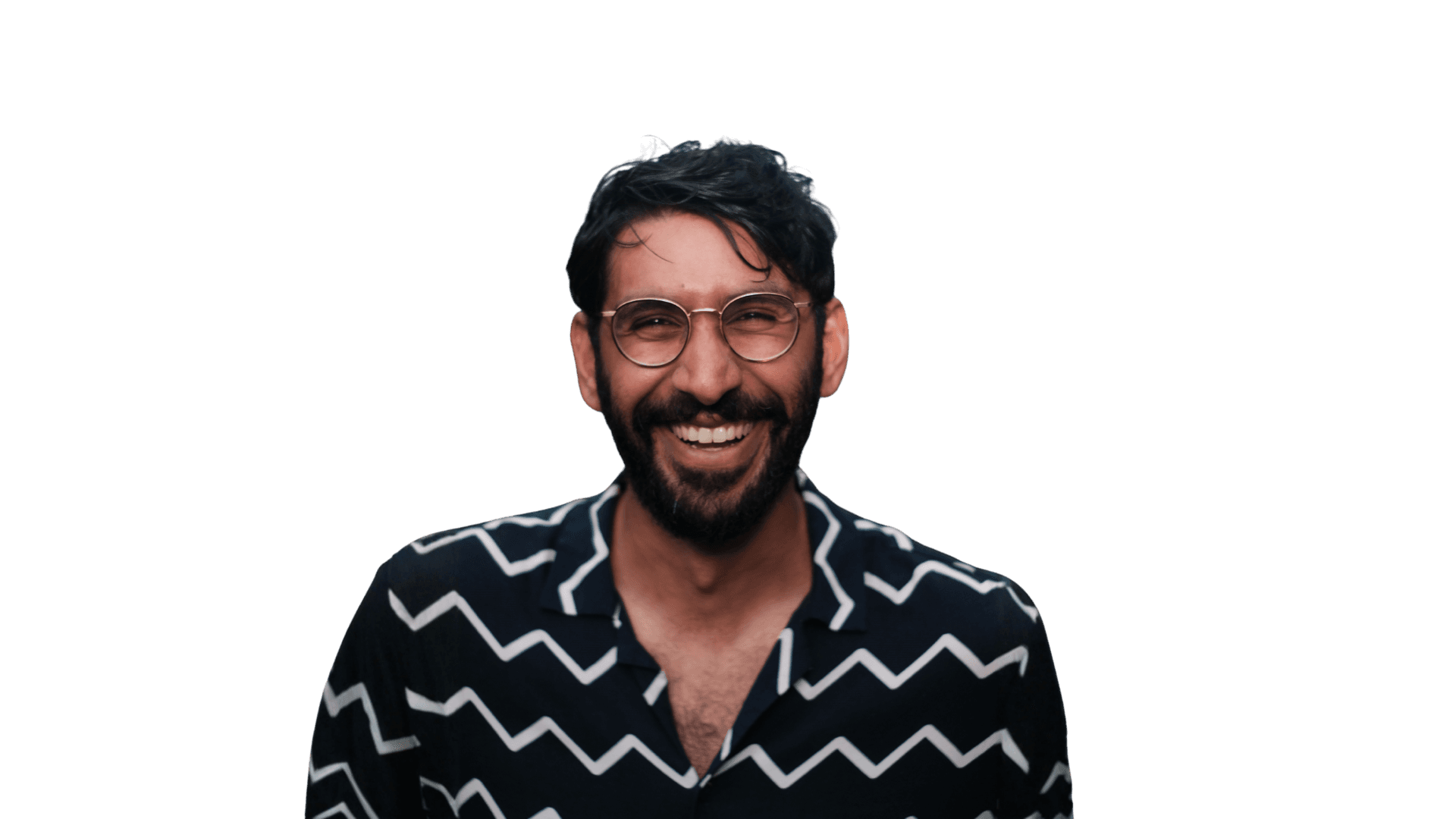
Nas
Lead Facilitator
Nasir is a researcher and educator, working at the intersection between artificial intelligence and computational neuroscience. He spends a significant amount of his time teaching and mentoring, with almost a decade of experience in teaching courses and workshops in academic environments. He was first introduced to spiritual and religious practices via Islam, his religious tradition, and since has enjoyed exploring the world of meditation, authentic relation, and over the past few years has completed three tiers of the TIAMAT practice and joined the organisation as a facilitator-in-training.
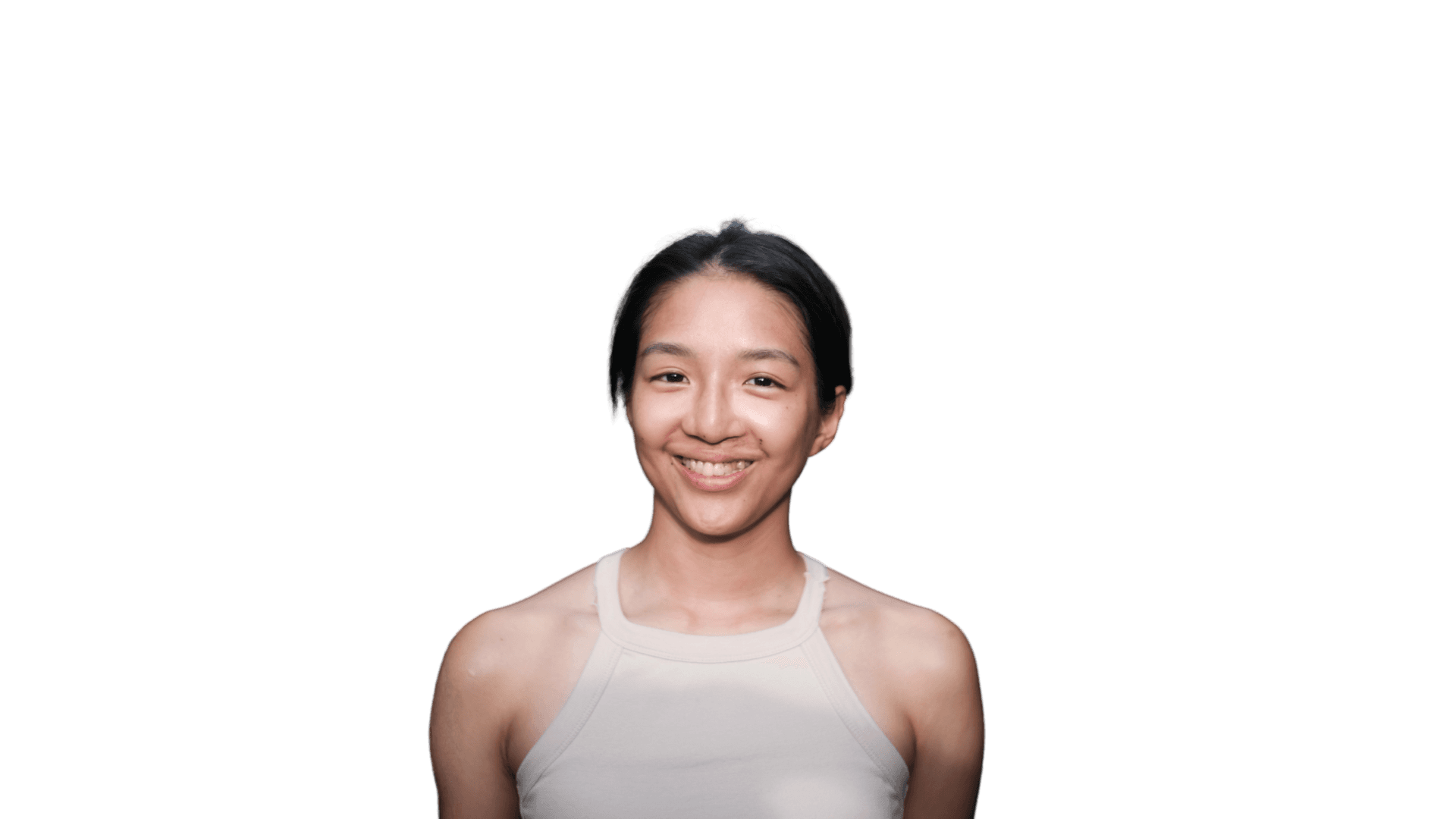
Ellie
Lead Facilitator
Ellie is a practitioner-researcher working at the intersections of care studies, environmental thought, and embodied practice. With a background in dance, social-ecological systems, and interdisciplinary research, she brings a unique sensitivity to how emotion, cognition, and behaviour weave together in the work of transformation. A weaver, builder, healer, and disrupter, she holds multiple perspectives without flattening complexity.
Rens
Lead Facilitator
As a facilitator, Rens brings with him a deep care for psychological safety, a fierce sense of fairness, and an orientation towards alleviating unnecessary suffering. With a background in both astronomy and contemporary theatre, Rens brings a rare blend of clear-sky thinking and embodied mischief to everything he does. He creates spaces where people feel gently invited into transformation.
Nas
Lead Facilitator
Nasir is a researcher and educator, working at the intersection between artificial intelligence and computational neuroscience. He spends a significant amount of his time teaching and mentoring, with almost a decade of experience in teaching courses and workshops in academic environments. He was first introduced to spiritual and religious practices via Islam, his religious tradition, and since has enjoyed exploring the world of meditation, authentic relation, and over the past few years has completed three tiers of the TIAMAT practice and joined the organisation as a facilitator-in-training.
Ellie
Lead Facilitator
Ellie is a practitioner-researcher working at the intersections of care studies, environmental thought, and embodied practice. With a background in dance, social-ecological systems, and interdisciplinary research, she brings a unique sensitivity to how emotion, cognition, and behaviour weave together in the work of transformation. A weaver, builder, healer, and disrupter, she holds multiple perspectives without flattening complexity.
We offer six permutations so that each domain has a "partner". Some things might feel familiar, others offer the right amount of different.
Mindful Dialogue: Speak while tracking breath, body, and story: zoom in/out like a camera, let mirroring reveal mismatches, and adjust in real time so the talk fits this moment.
Embodied Mindfulness: Use breath, posture, and pacing as your anchor and truth-check so attention stays with the world (like walking meditation), not lost in rumination.
Dialogical Embodiment: Let the conversation and your physiology co-tune: distance, tempo, tone, and stance align so what you say and what you show land as one coherent signal.
Embodied Imaginal: Don’t just make pictures in your head; stand, breathe, and move it. Enact the “as if” so the posture trains the mind and the room responds to the (slightly) new you.
Imaginal Mindfulness: Run the scene in slow focus, watching sensations and stories arise and pass; so imagined futures sharpen attention instead of hijacking it.
Dialogical Imaginal: In live dialogue, spot the images and metaphors you’re already (unconsciously) using to steer attention, then make them explicit and train them on purpose so focus and meaning cohere.
We offer six permutations so that each domain has a "partner". Some things might feel familiar, others offer the right amount of different.
Mindful Dialogue: Speak while tracking breath, body, and story: zoom in/out like a camera, let mirroring reveal mismatches, and adjust in real time so the talk fits this moment.
Embodied Mindfulness: Use breath, posture, and pacing as your anchor and truth-check so attention stays with the world (like walking meditation), not lost in rumination.
Dialogical Embodiment: Let the conversation and your physiology co-tune: distance, tempo, tone, and stance align so what you say and what you show land as one coherent signal.
Embodied Imaginal: Don’t just make pictures in your head; stand, breathe, and move it. Enact the “as if” so the posture trains the mind and the room responds to the (slightly) new you.
Imaginal Mindfulness: Run the scene in slow focus, watching sensations and stories arise and pass; so imagined futures sharpen attention instead of hijacking it.
Dialogical Imaginal: In live dialogue, spot the images and metaphors you’re already (unconsciously) using to steer attention, then make them explicit and train them on purpose so focus and meaning cohere.
Rens
Lead Facilitator
As a facilitator, Rens brings with him a deep care for psychological safety, a fierce sense of fairness, and an orientation towards alleviating unnecessary suffering. With a background in both astronomy and contemporary theatre, Rens brings a rare blend of clear-sky thinking and embodied mischief to everything he does. He creates spaces where people feel gently invited into transformation.
Nas
Lead Facilitator
Nasir is a researcher and educator, working at the intersection between artificial intelligence and computational neuroscience. He spends a significant amount of his time teaching and mentoring, with almost a decade of experience in teaching courses and workshops in academic environments. He was first introduced to spiritual and religious practices via Islam, his religious tradition, and since has enjoyed exploring the world of meditation, authentic relation, and over the past few years has completed three tiers of the TIAMAT practice and joined the organisation as a facilitator-in-training.
Ellie
Lead Facilitator
Ellie is a practitioner-researcher working at the intersections of care studies, environmental thought, and embodied practice. With a background in dance, social-ecological systems, and interdisciplinary research, she brings a unique sensitivity to how emotion, cognition, and behaviour weave together in the work of transformation. A weaver, builder, healer, and disrupter, she holds multiple perspectives without flattening complexity.
Rens
Lead Facilitator
As a facilitator, Rens brings with him a deep care for psychological safety, a fierce sense of fairness, and an orientation towards alleviating unnecessary suffering. With a background in both astronomy and contemporary theatre, Rens brings a rare blend of clear-sky thinking and embodied mischief to everything he does. He creates spaces where people feel gently invited into transformation.
Nas
Lead Facilitator
Nasir is a researcher and educator, working at the intersection between artificial intelligence and computational neuroscience. He spends a significant amount of his time teaching and mentoring, with almost a decade of experience in teaching courses and workshops in academic environments. He was first introduced to spiritual and religious practices via Islam, his religious tradition, and since has enjoyed exploring the world of meditation, authentic relation, and over the past few years has completed three tiers of the TIAMAT practice and joined the organisation as a facilitator-in-training.
Ellie
Lead Facilitator
Ellie is a practitioner-researcher working at the intersections of care studies, environmental thought, and embodied practice. With a background in dance, social-ecological systems, and interdisciplinary research, she brings a unique sensitivity to how emotion, cognition, and behaviour weave together in the work of transformation. A weaver, builder, healer, and disrupter, she holds multiple perspectives without flattening complexity.
Nas
Lead Facilitator
Nasir is a researcher and educator, working at the intersection between artificial intelligence and computational neuroscience. He spends a significant amount of his time teaching and mentoring, with almost a decade of experience in teaching courses and workshops in academic environments. He was first introduced to spiritual and religious practices via Islam, his religious tradition, and since has enjoyed exploring the world of meditation, authentic relation, and over the past few years has completed three tiers of the TIAMAT practice and joined the organisation as a facilitator-in-training.
Rens
Lead Facilitator
As a facilitator, Rens brings with him a deep care for psychological safety, a fierce sense of fairness, and an orientation towards alleviating unnecessary suffering. With a background in both astronomy and contemporary theatre, Rens brings a rare blend of clear-sky thinking and embodied mischief to everything he does. He creates spaces where people feel gently invited into transformation.
Ellie
Lead Facilitator
Ellie is a practitioner-researcher working at the intersections of care studies, environmental thought, and embodied practice. With a background in dance, social-ecological systems, and interdisciplinary research, she brings a unique sensitivity to how emotion, cognition, and behaviour weave together in the work of transformation. A weaver, builder, healer, and disrupter, she holds multiple perspectives without flattening complexity.
Email frontdoor@5tomidnight.org to register today!
Email frontdoor@5tomidnight.org to register today!
Email frontdoor@5tomidnight.org to register today!
Drop-in / Online & In-Person
Intros
Your playful launchpad into TIAMAT: six “Intro to…” workshops that make the mysterious doable—fast.
If you'd like to know learn something for a day, these workshop focus on a single practice a build up some preliminary tools for just "doing the thing". Enough to get a feel for it without being a deep dive.
Maybe you want to learn some Shadow Work; or have heard about Dialectic-into-Dialogos; or want to try out what an ecology of practices is! No prior experience necessary, just the right amount of guidance.

Get the latest on fresh practices, workshop invites, and field notes on meaning — no spam, just signal.
mailinglist
Join our
Get the latest on fresh practices, workshop invites, and field notes on meaning — no spam, just signal.
Join our
mailinglist
Get the latest on fresh practices, workshop invites, and field notes on meaning — no spam, just signal
mailinglist